Luxury Watch Blog & Guides
Is Rolex Pepsi Discontinued Or Just Hard To Find 2026?
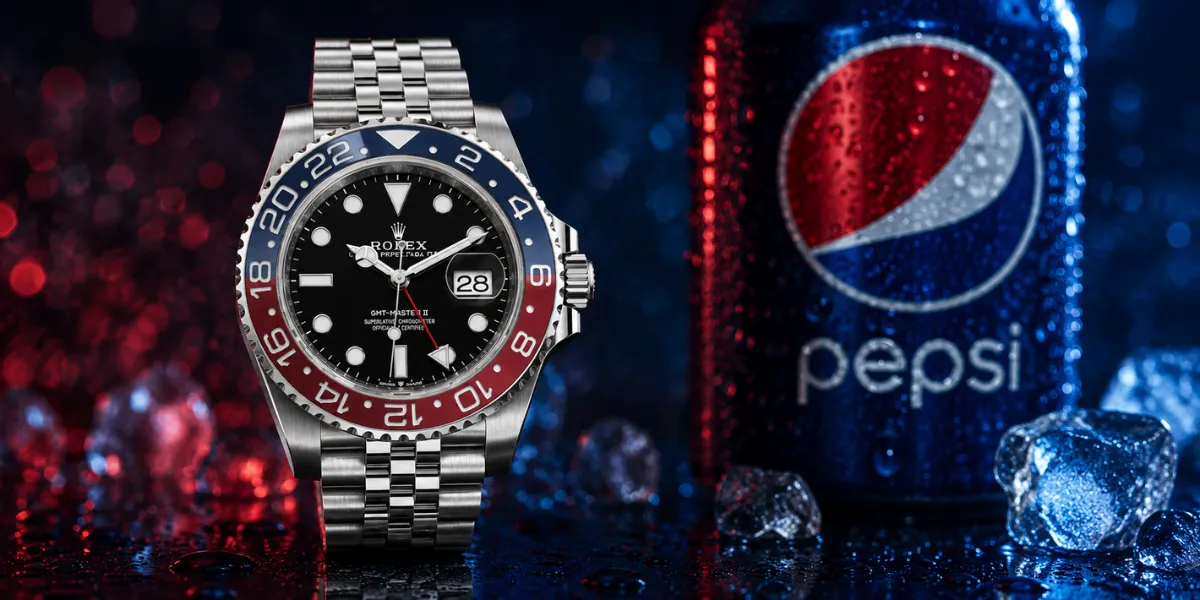
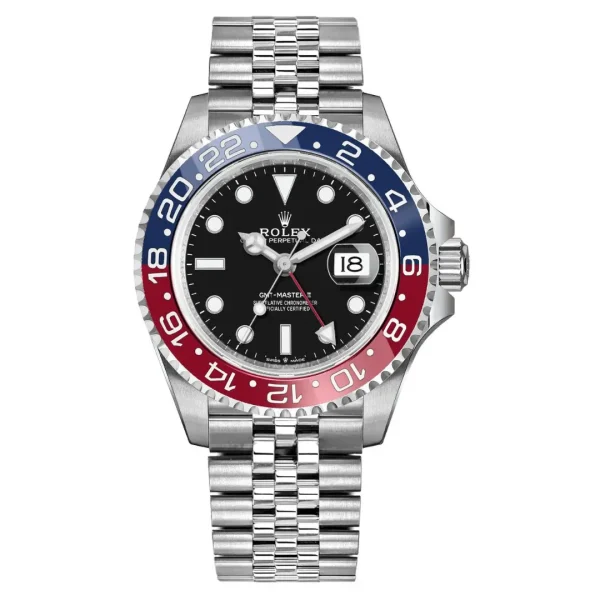
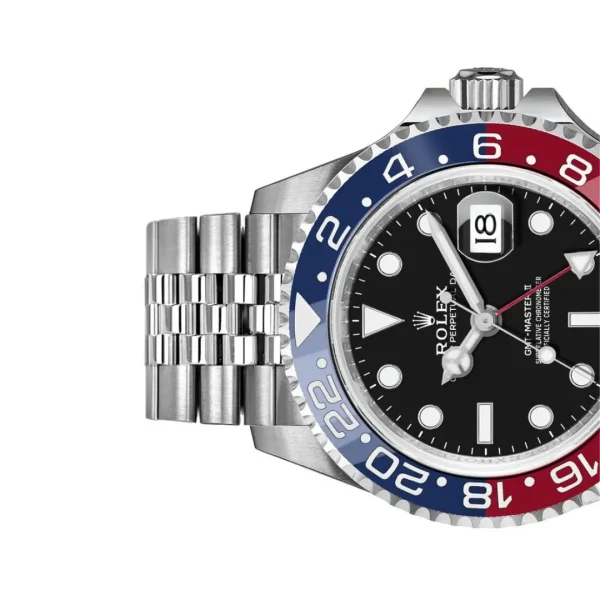
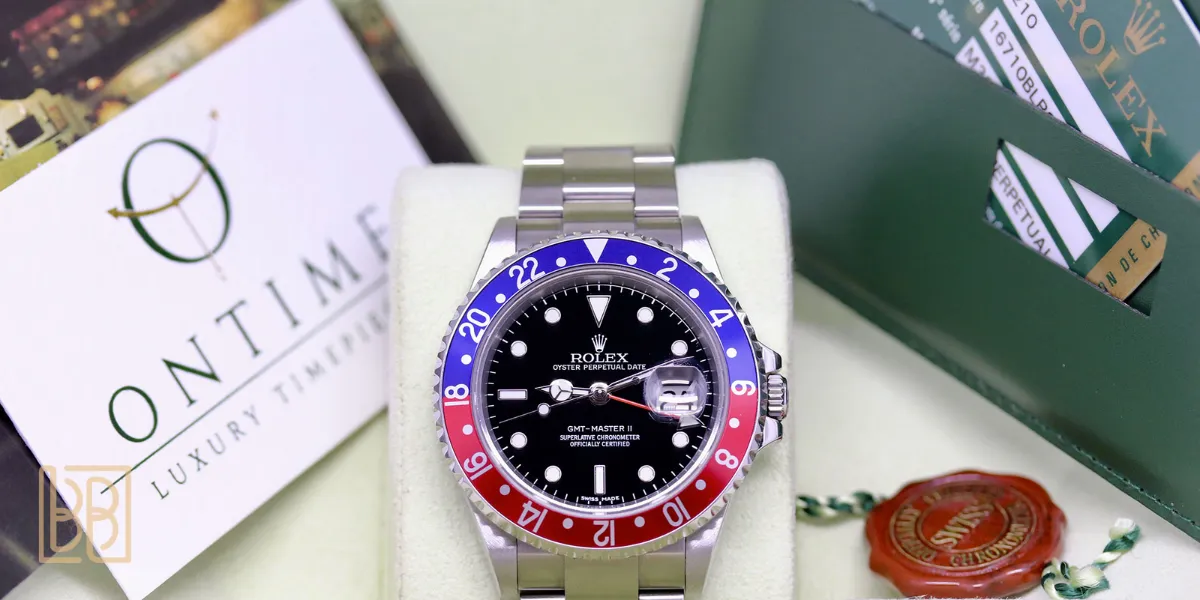
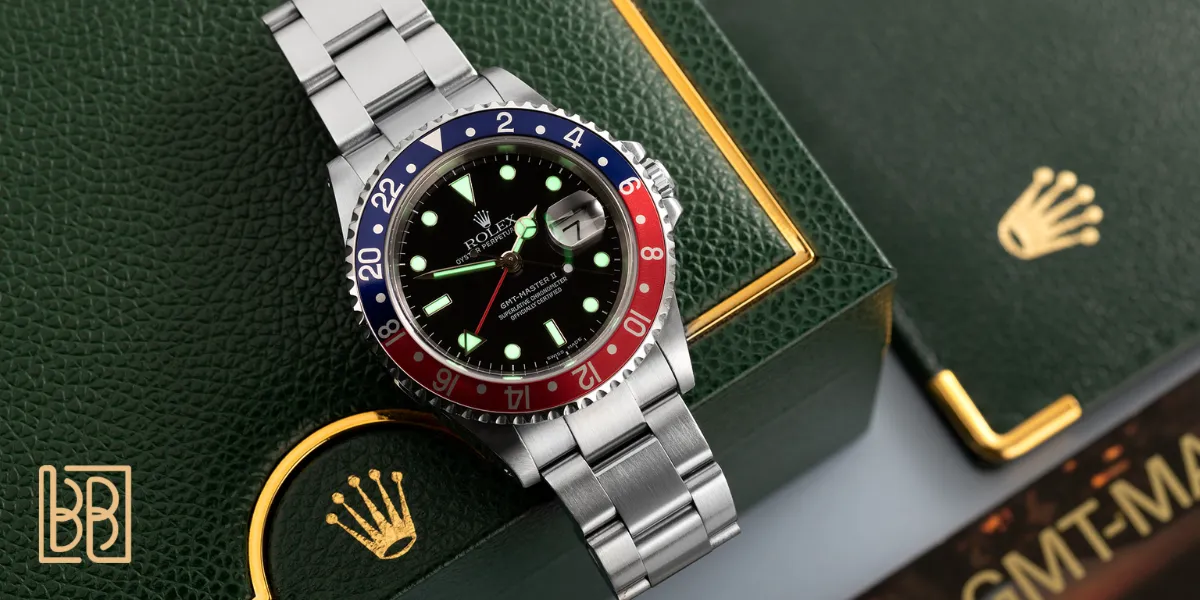
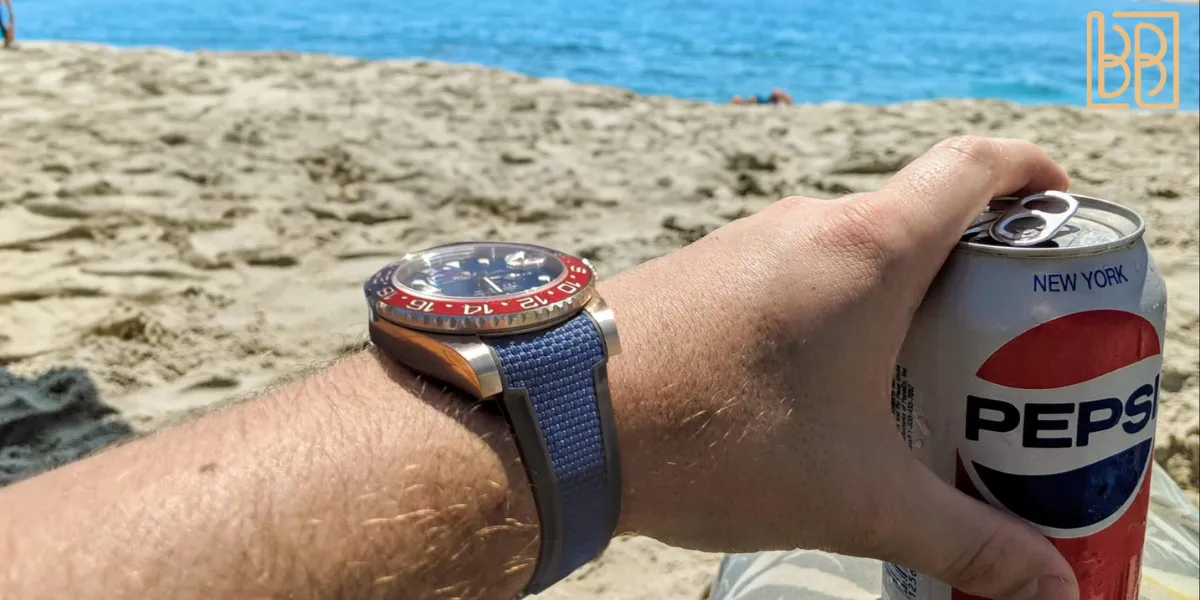
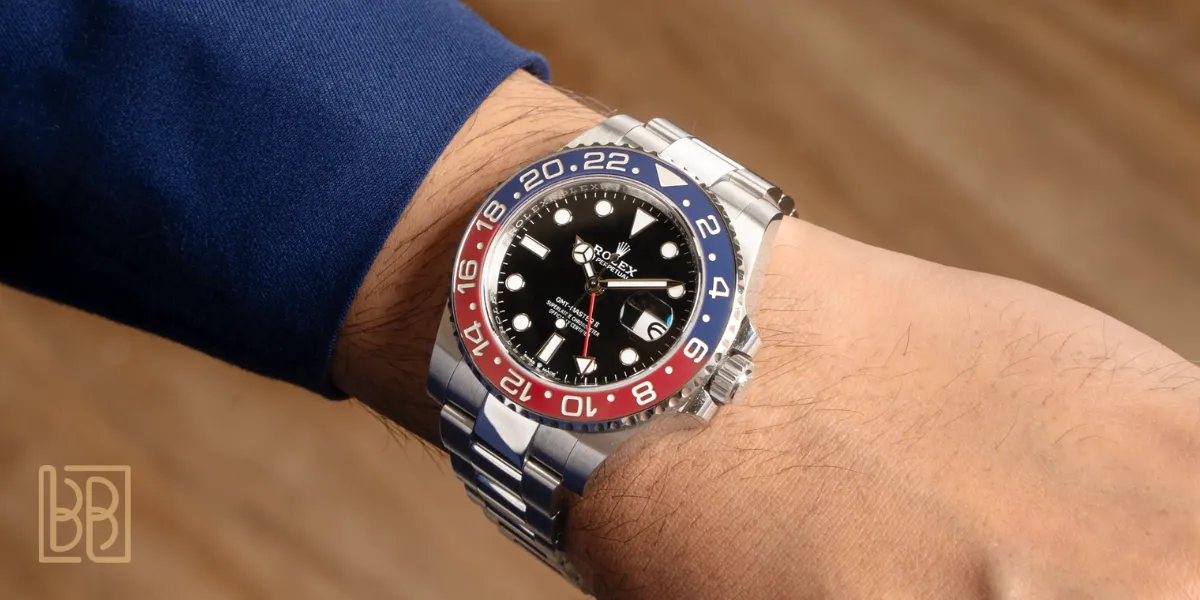
The Rolex GMT-Master II “Pepsi” has long been one of the most recognizable watches in the brand’s lineup. Its red and blue bezel, inspired by the Pepsi color scheme, gives the watch a distinct identity that is instantly noticeable.
Originally, this color combination was not just about design. It was created for functionality, helping pilots distinguish between day and night hours when tracking multiple time zones. That practical origin is part of what made the Pepsi configuration so enduring over the years.
In 2026, Rolex made the decision to discontinue this iconic model. The news came out during Watches and Wonders 2026 and quickly became one of the most discussed topics in the watch industry.
For many collectors, this was more than a simple product update. It marked a shift in one of Rolex’s most established lines.
Is Rolex Pepsi Discontinued?
The Rolex Pepsi remains one of the most sought-after GMT-Master II models in 2026. While some references have seen production changes over the years, the current stainless steel Pepsi has not been officially discontinued by Rolex. The main reason buyers struggle to find one is demand far exceeding supply. Authorized dealers often have long waiting lists, and many buyers turn to the secondary market where prices frequently remain above retail.
Why the Rolex Pepsi Is Hard to Find in 2026?
- The model continues to be highly desirable among collectors and enthusiasts.
- Rolex produces fewer watches than global demand requires.
- Authorized dealer waiting lists can extend for months or even years.
- Many purchased pieces quickly move to the secondary market.
- The iconic red-and-blue ceramic bezel remains one of Rolex’s most recognizable designs.
- Demand is driven by both everyday wearers and investment-focused buyers.
- Availability varies significantly by country, dealer network, and purchase history.
Why Did Rolex Discontinue the Pepsi?
At first glance, the decision feels unexpected. The Pepsi GMT-Master II has always been in strong demand, often difficult to obtain at retail, and consistently popular in both primary and secondary markets.
Rolex, as usual, did not release an official explanation. That leaves room for analysis based on production, strategy, and market behavior.
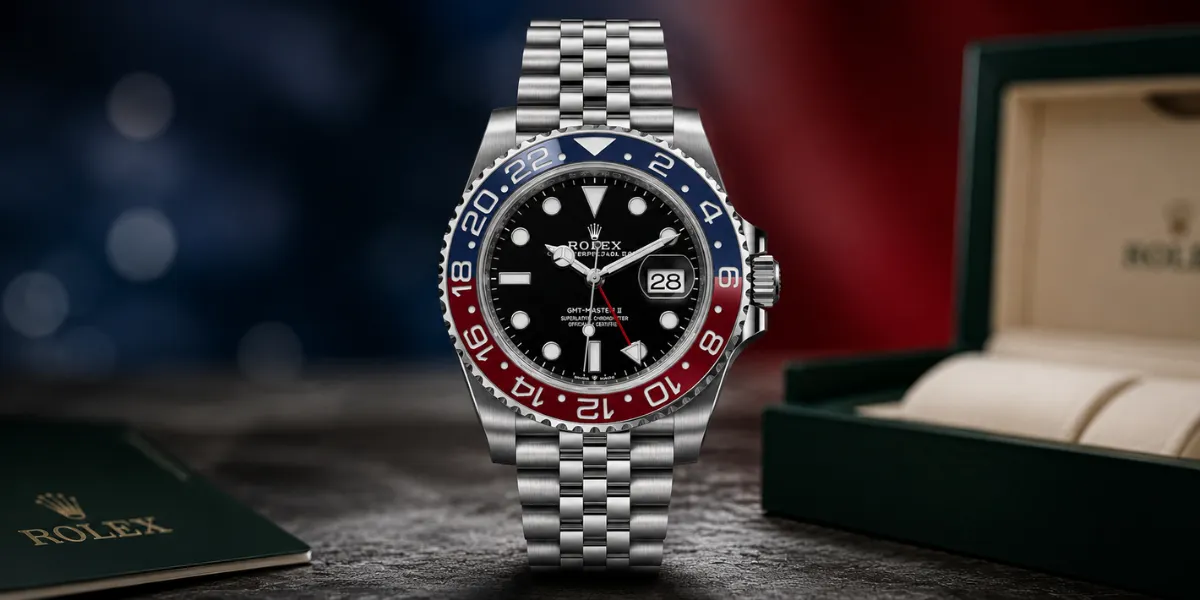
One likely factor is manufacturing complexity. The bi-color ceramic bezel used in the Pepsi model is known to be difficult to produce. Achieving a clean, durable transition between red and blue requires a high level of precision, which limits production efficiency.
Another possible reason is brand strategy. Rolex carefully manages supply to maintain exclusivity. Discontinuing a highly visible model can increase overall desirability across the collection rather than concentrating attention on a single reference.
There is also the secondary market to consider. The Pepsi has been trading well above retail for years. Removing it from production may further strengthen its position as a collector’s piece.
At the same time, discontinuation does not always mean a permanent end. Rolex has a pattern of revisiting designs. This could indicate a future update, whether through new materials, subtle design changes, or technical improvements.
What This Means for Collectors?
For current owners, the situation is generally positive. Discontinued Rolex models tend to attract more attention over time, particularly when they already have strong recognition and demand.
The Pepsi GMT-Master II fits that profile. It has a clear identity, a long history, and a broad collector base. These factors typically support long-term value retention and, in some cases, price growth. For buyers, the dynamic changes. Availability becomes more limited, and pricing is increasingly influenced by the secondary market rather than retail channels.
This shift often moves the watch from being a purchase decision to a strategic acquisition, especially for those looking at long-term positioning within a collection.
Will Rolex Bring the Pepsi Back?
It would be a mistake to assume this is the final chapter for the Pepsi configuration. Rolex has discontinued and reintroduced models before, sometimes after years of absence.
A return could take different forms. It might involve a new case material, a different movement update, or adjustments to the bezel technology. Rolex rarely repeats a design without making some level of refinement.
For now, there is no confirmation. The discontinuation simply creates a pause, leaving space for speculation and future direction.
Impact on the Rolex GMT-Master II Collection
Removing the Pepsi configuration does more than affect a single model. It changes how the entire GMT-Master II lineup is perceived.
Without the red and blue bezel taking most of the attention, other references naturally gain more visibility. Models like the black and blue “Batman” or the green and black variations begin to stand out more, not because they are new, but because the competitive spotlight has shifted.
This kind of internal repositioning is consistent with how Rolex manages its collections. Instead of expanding endlessly, the brand adjusts focus by limiting certain options. That approach keeps the lineup controlled while still allowing variation.
There is also a subtle psychological effect. When a well-known option disappears, buyers tend to reconsider alternatives they might have ignored before. That shift alone can influence demand across the entire category.
Our Rolex Pepsi Collections
Secondary Market Reaction
The secondary market tends to respond quickly to this kind of news, and the Pepsi is no exception.
Early signals usually show increased activity rather than immediate stability. Some owners decide to sell while attention is high, while others hold their pieces anticipating further value growth. At the same time, buyers who were previously undecided often move faster due to fear of missing out.
Prices do not always rise in a straight line. Short-term fluctuations are common as the market finds a new balance. However, models with strong recognition and a clear identity, like the Pepsi, typically maintain long-term interest.
What matters more than the initial spike is sustained demand. In this case, the foundation was already strong before discontinuation, which reduces the risk of sudden drops.
Rolex GMT-Master II Pepsi Price Range
A simple visual comparison of the current secondary market range for the Rolex Pepsi, showing the lower end, central market average, and upper-end pricing seen in stronger listings.
Is This a Good Time to Buy?
That depends on intent. For someone looking to own the watch purely for personal use, timing becomes less critical. The core appeal of the Pepsi remains unchanged, and availability, while tighter, is still present through secondary channels.
For buyers approaching this from an investment angle, the situation is more nuanced. Entering the market after discontinuation often means paying a premium, especially if momentum builds quickly.
A more measured approach involves watching price stabilization rather than reacting immediately. Historically, some discontinued Rolex models see an initial surge followed by a period of correction before establishing a longer-term trend.
In either case, the key factor is not just price, but entry timing relative to market sentiment.
Longer-Term Outlook
The long-term position of the Pepsi GMT-Master II is unlikely to weaken.
It already has several elements that support durability in the collector market: a recognizable design, functional heritage, and consistent demand over multiple generations. Discontinuation adds another layer by limiting future supply.
What will shape its trajectory is not just rarity, but relevance. Some discontinued models fade because they lack a strong identity. The Pepsi does not have that problem.
If anything, the absence from production reinforces its position rather than diminishing it.
Final Perspective
The discontinuation of the Rolex Pepsi GMT-Master II is less about removing a product and more about shifting positioning within the brand’s portfolio.
It reinforces scarcity, redirects demand, and keeps the collection dynamic. For collectors, it adds another layer of relevance to a model that was already well established. In practical terms, nothing about the watch itself has changed.
What has changed is its availability, and that alone is enough to reshape how it is perceived in the market.
Rolex Pepsi Discontinued 2026 FAQ
Is Rolex Pepsi discontinued in 2026?
Yes. In 2026, the Rolex GMT Master II Pepsi was discontinued, making it one of the biggest talking points in the current Rolex sports watch market.
Which Rolex model is known as the Pepsi?
The Rolex Pepsi refers to the GMT Master II with the red and blue bezel, a color combination that has become one of the most recognizable designs in the brand’s travel watch lineup.
Why did Rolex discontinue the Pepsi GMT Master II?
Rolex did not publicly explain the decision in detail. Most discussion around the discontinuation focuses on production challenges, supply pressure, and Rolex’s usual strategy of tightly controlling the lineup.
Can you still buy a Rolex Pepsi after discontinuation?
Yes, but availability is expected to shift mainly to the secondary market. Once a Rolex model is discontinued, finding it through official retail channels usually becomes much harder.
Will Rolex Pepsi prices go up after discontinuation?
That is often the direction for highly demanded discontinued Rolex sports models. Strong collector interest and reduced supply can support firmer resale prices, although exact pricing always depends on market conditions.

We are the Behzadi Boutique Team, a group of luxury watch specialists and dedicated writers focused on the world of fine timepieces. At Behzadi Boutique, we create clear, practical, and market-aware watch content to help collectors, buyers, and sellers make more confident decisions in the luxury watch market.